Ensemble améliorons les traitements des dystonies
Our group’s focus is on ab initio investigations of materials and surface science phenomena. First-principles electronic structure calculations (with machine learning approaches) are used in conjunction with high-performance computing to probe chemical reactions at surfaces and interfaces, exploring the energetics, (opto)electronic, and other novel properties of polyatomic systems.
The processes that occur at surfaces and interfaces play a critical role in the manufacturing and performance of advanced materials. The research methods developed and knowledge acquired will have vast array of applications in materials science and engineering.
Qu’est-ce que la dystonie ?
La dystonie est une pathologie neurologique rare caractérisée par des contractions musculaires involontaires, responsables de postures et mouvements anormaux pouvant entraîner une perte d’autonomie partielle ou totale. Les aspects cliniques ainsi que les causes des dystonies sont très nombreux, cette complexité entraine une difficulté à établir le bon. A l’Institut du Neurone nous travaillons sur les deux classes de maladies.
Les dystonies isolées (anciennement primaires)
où la seule anomalie clinique est la présence de postures ou mouvements anormaux. Lorsqu’elles sont identifiées les causes sont génétiques.
Les dystonies acquises (anciennement secondaires)
qui associent à la dystonie d’autres signes neurologiques et extra-neurologiques. Les causes sont externes
Key Statistics
70,000
people suffer from dystonia in France in all forms Source https://amadys.fr
732
people in 100,000 have dystonia Source Nature Review Disease Primer
From 0.2 to 0.4
baby in 1000 births have acquired dystonia in a context of anoxia Source Archives of disease in childhood
Mission Statement & Vision
Our Mission
Understand movement disorders and brain diseases
Our project aims to deploy a ten-year research strategy to deepen our understanding of dystonia, including its anoxic form, and to develop more effective and personalized treatments.
Our Project
Understand and fight dystonia
By implementing a cutting-edge scientific approach and advanced technologies, including artificial intelligence. Our mission is to advance knowledge on the treatment of dystonia, by improving diagnosis, treatment methods, and exploring new therapeutic avenues.
Foundation & Strategic Partnership
We begin our project by establishing a solid understanding of dystonia and anoxic dystonia
Through studies, we seek to identify the prevalence and risk factors of these disorders.
At the same time, research will help us identify key markers. We also build partnerships with academic institutions and technology companies.
Focus Areas

Understanding Dystonia
We investigate both isolated (primary) and acquired (secondary) forms of dystonia. By unveiling the underlying genetic and external causes of dystonia, we aim to improve diagnosis and enable earlier, more targeted interventions.
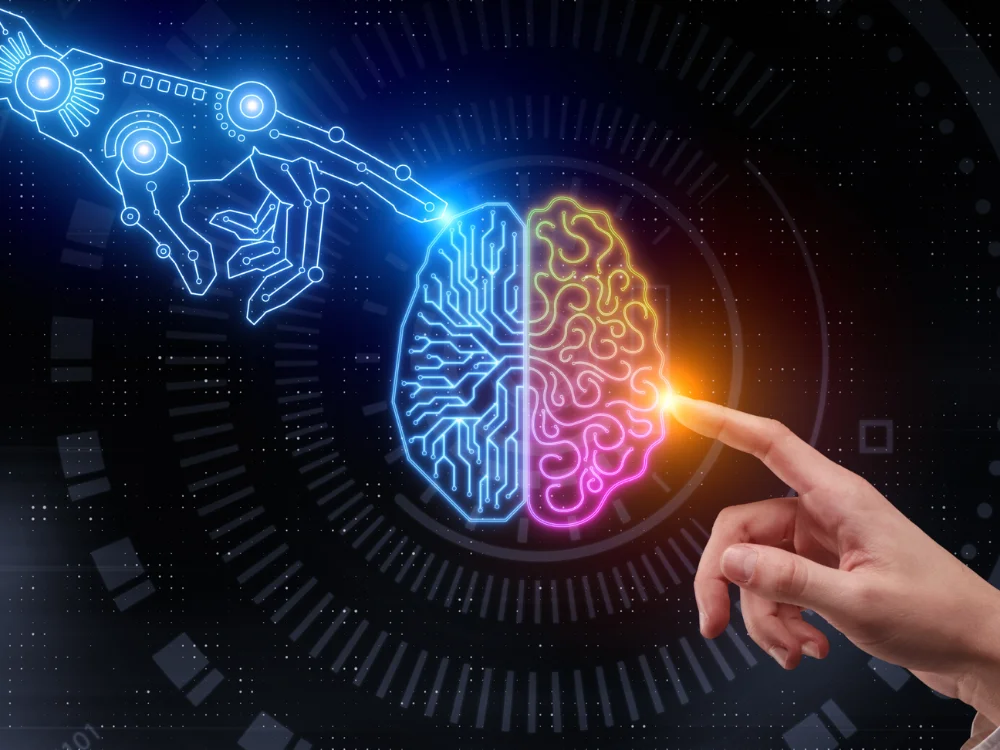
Precision Diagnosis Using Machine Learning & Biomarkers
Leveraging advanced technologies including artificial intelligence and biomarker discovery, we seek to detect subtle changes in brain and motor-system function that herald dystonia or its progression.
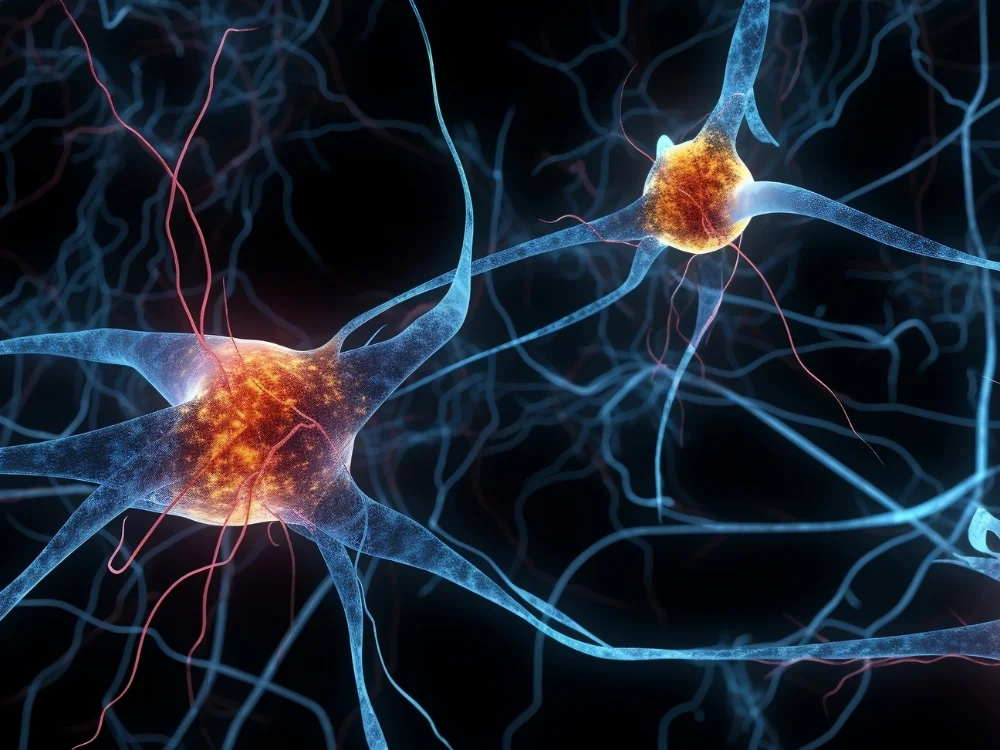
Developing Novel Therapeutic Strategies for Dystonia
Translating scientific discoveries into new therapies for dystonia by forging partnerships with academic and technology stakeholders. We aim to speed the path from lab findings to real-world impact and enhance autonomy for patients.

Recent Publications
Novel Genetic Markers in Early-Onset Dystonia: A Multicenter Study
Dubois M., Martin J., Laurent S., et al.
📄 Nature Neuroscience📅 October 2024🔓 Open Access
AI-Powered Diagnosis of Movement Disorders: Clinical Validation Study
Laurent S., Bernard P., Dubois M.
📄 The Lancet Digital Health📅 September 2024🔒 Subscription
Long-term Outcomes of Deep Brain Stimulation in Generalized Dystonia
Martin J., et al.
📄 Brain📅 July 2024🔓 Open Access
Novel Genetic Markers in Early-Onset Dystonia: A Multicenter Study
Dubois M., Martin J., Laurent S., et al.
📄 Nature Neuroscience📅 October 2024🔓 Open Access
AI-Powered Diagnosis of Movement Disorders: Clinical Validation Study
Laurent S., Bernard P., Dubois M.
📄 The Lancet Digital Health📅 September 2024🔒 Subscription
Long-term Outcomes of Deep Brain Stimulation in Generalized Dystonia
Martin J., et al.
📄 Brain📅 July 2024🔓 Open Access
Novel Genetic Markers in Early-Onset Dystonia: A Multicenter Study
Dubois M., Martin J., Laurent S., et al.
📄 Nature Neuroscience📅 October 2024🔓 Open Access
AI-Powered Diagnosis of Movement Disorders: Clinical Validation Study
Laurent S., Bernard P., Dubois M.
📄 The Lancet Digital Health📅 September 2024🔒 Subscription
Long-term Outcomes of Deep Brain Stimulation in Generalized Dystonia
Martin J., et al.
📄 Brain📅 July 2024🔓 Open Access
Novel Genetic Markers in Early-Onset Dystonia: A Multicenter Study
Dubois M., Martin J., Laurent S., et al.
📄 Nature Neuroscience📅 October 2024🔓 Open Access
AI-Powered Diagnosis of Movement Disorders: Clinical Validation Study
Laurent S., Bernard P., Dubois M.
📄 The Lancet Digital Health📅 September 2024🔒 Subscription
Long-term Outcomes of Deep Brain Stimulation in Generalized Dystonia
Martin J., et al.
📄 Brain📅 July 2024🔓 Open Access
Novel Genetic Markers in Early-Onset Dystonia: A Multicenter Study
Dubois M., Martin J., Laurent S., et al.
📄 Nature Neuroscience📅 October 2024🔓 Open Access
AI-Powered Diagnosis of Movement Disorders: Clinical Validation Study
Laurent S., Bernard P., Dubois M.
📄 The Lancet Digital Health📅 September 2024🔒 Subscription
Long-term Outcomes of Deep Brain Stimulation in Generalized Dystonia
Martin J., et al.
📄 Brain📅 July 2024🔓 Open Access
Novel Genetic Markers in Early-Onset Dystonia: A Multicenter Study
Dubois M., Martin J., Laurent S., et al.
📄 Nature Neuroscience📅 October 2024🔓 Open Access
AI-Powered Diagnosis of Movement Disorders: Clinical Validation Study
Laurent S., Bernard P., Dubois M.
📄 The Lancet Digital Health📅 September 2024🔒 Subscription
Long-term Outcomes of Deep Brain Stimulation in Generalized Dystonia
Martin J., et al.
📄 Brain📅 July 2024🔓 Open Access
News & Events
Stay informed about our latest progress and events
We’re thrilled to welcome Dr. XYZ to our team. Their work on computational modeling in neuroscience will strengthen our data-driven approaches.

We’re excited to announce new funding from the NIH to explore use of digital twin to develop personalized treatment options for Movement …

Congratulations to Dr. ABC for receiving recognition from French Ministry of Health for outstanding contributions to dystonia research.